

| Russian ICBMs | |||||||
| NATO | RUSSIA | Warheads | Stages | Fuel | Basing | Range (km) | No. |
| SS-18 Mod 5 (SATAN) | RS-20/R-36M2 (Voyevoda) | 10 | 2 +PBV | Liquid | Silo |
10,000+ |
About 50 |
| SS-19 Mod 3 (STILLETO) | RS-18/UR-100NUTTH | 6 | 2 +PBV | Liquid | Silo |
9,000+ |
About 50 |
| SS-25 (SICKEL) | RS-12M | 1 | 3 +PBV | Solid | Road-mobile |
11,000 |
More than 150 |
| SS-27 Mod 1 | RS-12M2 (Topol M) | 1 | 3 +PBV | Solid | Silo & road mobile |
11,000 |
About 80 |
| SS-27 Mod 2 | RS-24 (Yars) | Multiple | 3 +PBV | Solid | Silo & road mobile |
11,000 |
About 20 |
| New ICBM | RS-26 (Rubezh) | Undetermined | At least 2 | Solid | Road mobile |
5,500+ |
Not yet deployed |
| (Samart) | Multiple | Liquid | Silo |
Not yet deployed |
|||
| Source: NASIC, Ballistic and Cruise Missile Threat, with a lot of help from Russian Strategic Nuclear Forces. | |||||||
Sorry about the eye-chart, but I am trying to sort through the mess of Russian ICBMs. Having done what I think is a passable first cut, I wanted to crowdsource the rest of it.
The Russians have been modernizing their ICBM force, which means there are a mess of new designations in the past few years. Sometimes, these get confused in the press. I wanted to sort through them for something I plan to write on Russian compliance (or lack thereof) with the 1987 Intermediate Range Nuclear Forces (INF) Treaty.
Additional notes below the jump. Comments welcome:
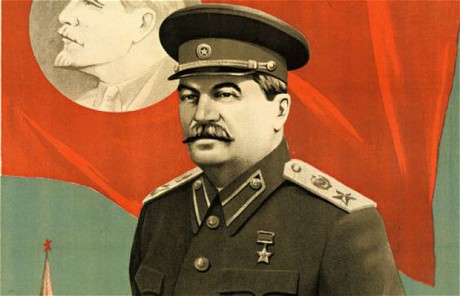
I’ve seen the NATO designation for the SS-27 given as either SICKEL B or STALIN. There are no definitive usages on .gov or .mil sites of either. I really hope it’s STALIN because that would be all sorts of mustachioed awesomeness.
There are some press reports that describe the Rs-24 Yars (SS-27 Mod 2) as the “SS-29”. NASIC uses SS-27 Mod 2, which I believe reflects a dispute with the Russians. START prohibited increasing the number of warheads attributed to ICBMs, so the Russians claimed the RS-24 was a completely new ICBM. (Pavel Podig explained this problem in great detail.) The US IC always believed that Yars was just a fancy Topol M in violation of the START Treaty, something that is reflected in both the Mod 2 designation and the illustrations showing the SS-27 Mod 1 and Mod 2 to be identical.
NASIC does not mention that Russia may deploy rail-mobile SS-27 Mod 2s. Don’t want to overlook that.
If I had to guess, I would think “SS-X-29” refers to the Rubezh, which is the missile that is causing one-half the INF troubles. (The other missile is a ground-launched cruise missile.) Pavel Podvig has a nice round-up on the missile and launcher, but I suspect the Rubezh is based on the first (and perhaps second) stage of the Topol-M/Yars.
The new liquid-fueled heavy ICBM is called Sarmat. That doesn’t appear in the NASIC report, but its coming. Another one we don’t want to forget.
Finally, there were reports of a missile called Vangaurd (or Avangard). I wonder if that was an early name for Rubezh. At this point, I think that one is vapor-ware.