
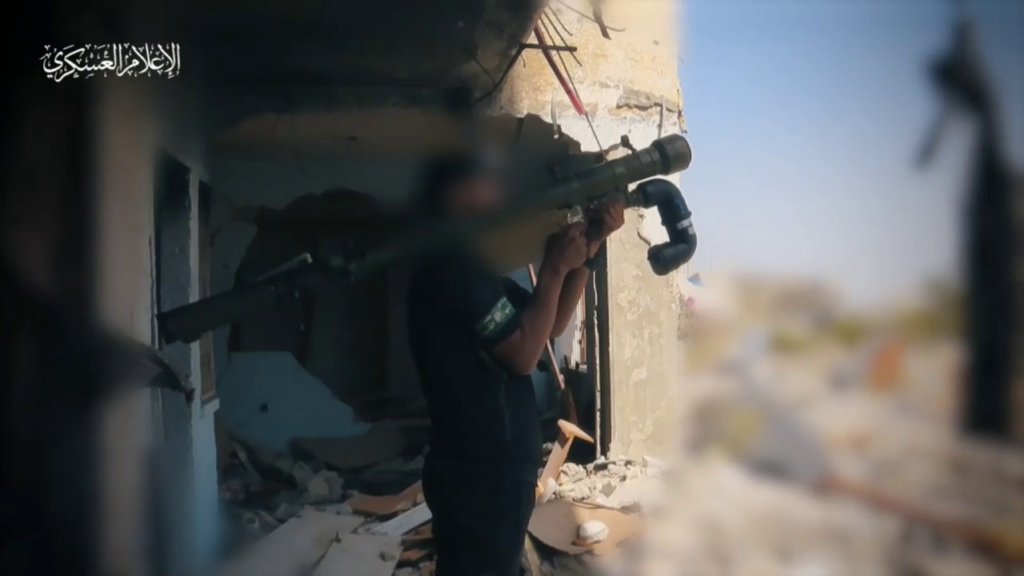
Given the ongoing conflict in the Middle East and Operation Rough Rider, the U.S. air campaign against the Houthis conducted from March to May, 2025, we have been thinking about Houthi missiles more than usual. A surprising detail which emerged in reporting about the Trump administration’s decision to end the air campaign was the effectiveness of Houthi air defenses. Multiple MQ-9 Reaper drones were shot down, and the New York Times reported several U.S. F-16s and one F-35 had close calls with surface-to-air missiles. Iranian media crowed about the Reaper shoot-downs, and The War Zone later got a U.S. official to confirm a F-35 had to maneuver to evade Houthi surface-to-air missiles (SAMs). This got us investigating Houthi SAMs, and there are some interesting details which demonstrate both the resourcefulness of the Houthis as well as their oft-discussed dependence on Iran.
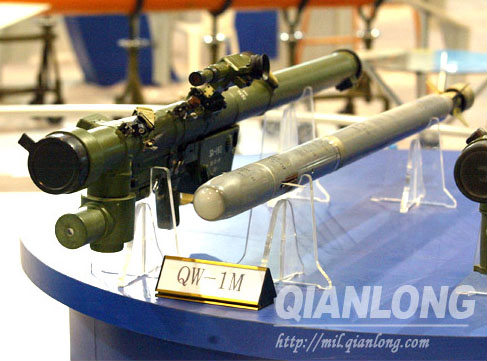
One example are the man-portable air defense systems (MANPADS) the Houthis have been using. We see broadly two types of MANPADS in Houthi possession. One is the the Misagh-2, an imported Iranian copy of the Chinese QW-1 series which is, in turn, often reported to be a copy of the Soviet 9K38 Igla / SA-18 (though to my eye the QW and Misagh series look like a cross between the Igla and the Strela given the Misagh’s lack of an Igla aerospike). The Misagh-2 uses a cooled infrared seeker.
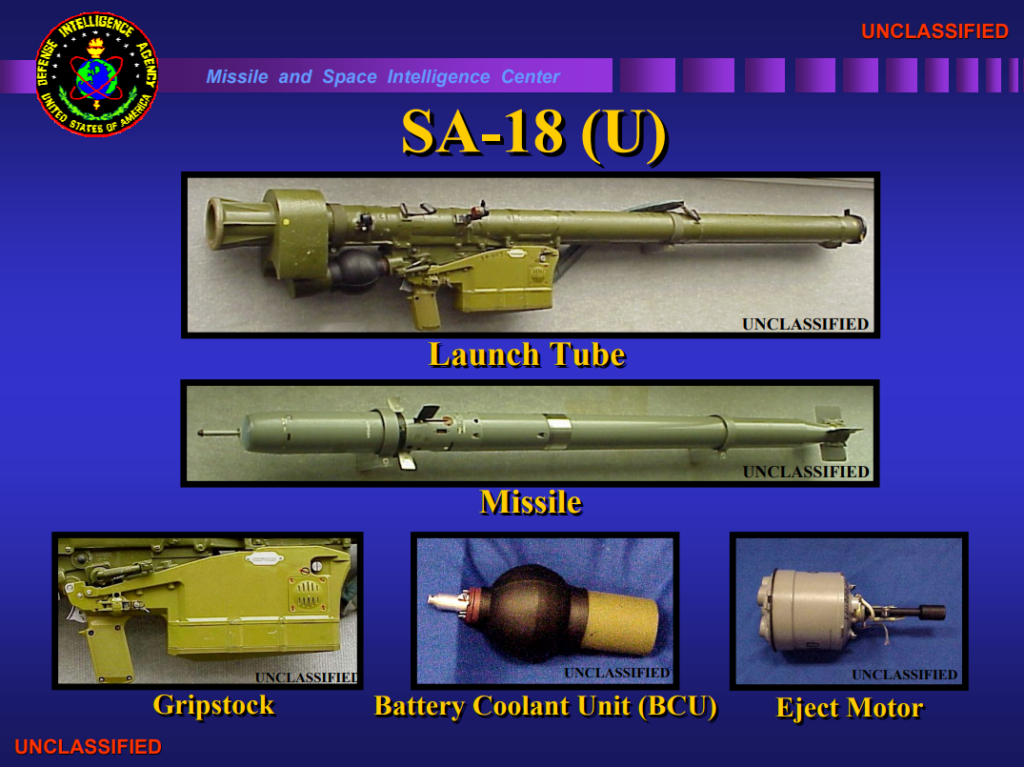
Compare the QW-1M to these Misagh-2s from an Iranian media history of their air defenses and you can see the similarities.
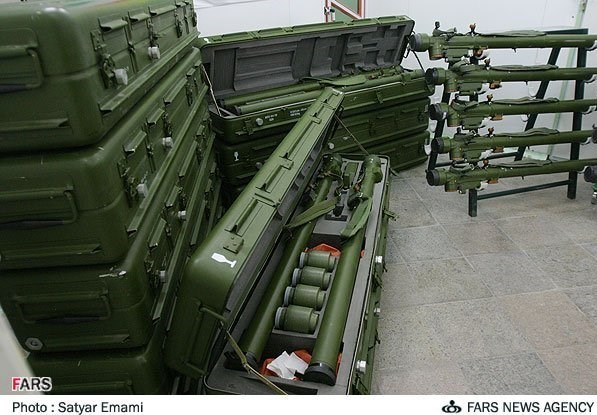
It seems the Houthis are reliant on imports for the Misagh series of MANPADS, and there are multiple examples of them being smuggled into Yemen. One of the first seizures of a dhow smuggling weapons to the Houthis in 2013 was carrying a large stockpile of the shoulder-launched SAMs.
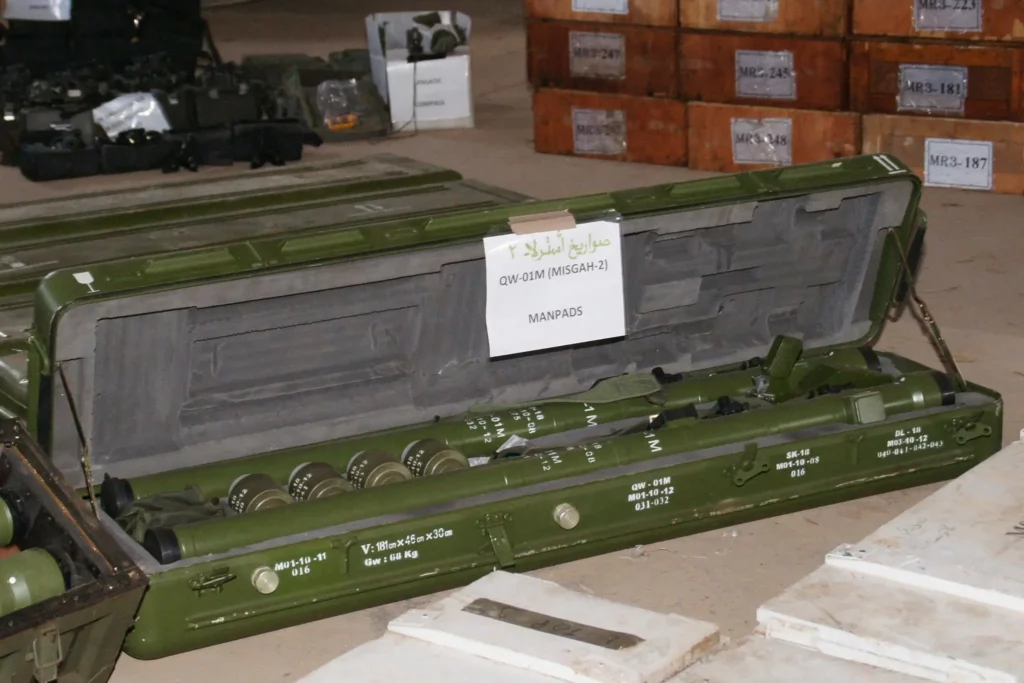
Misagh-2s are still part of the Houthi MANPADS arsenal, featuring in a parade in 2022 and another dhow seizure by the Yemeni government in July 2025.
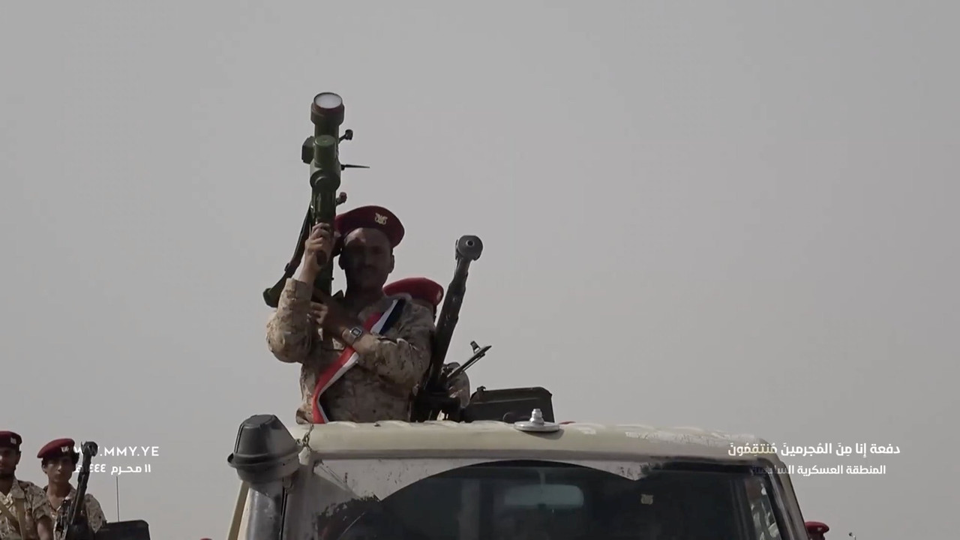
The most common MANPAD seen in Houthi possession is a variant of the 9K32 Strela-2M / SA-7b Grail, produced in large quantities by the Soviet Union. Older than the Igla the Misagh allegedly originates from, it uses an uncooled, less sensitive IR seeker to track aircraft (indeed, CENTCOM has noted the SA-7 series has been ineffective against MQ-9s operating over Yemen, only getting within a kilometer of one).


The Houthis acquired their SA-7bs by seizing the large stockpiles left over from the Yemeni government and smuggling. While the U.S. helped buy back and destroy over 1000 MANPADs, including many SA-7s, in the 2000s out of concern they would be captured by Al-Qaeda in the Arabian Peninsula, there were likely large stocks of the shoulder-launched SAMs still present in the country. Indeed, in 2022 the Houthis tried, in-absentia, members of the U.S. Embassy in Yemen and State Department officials who assisted with the destruction, considering them to be fugitives from justice. Additionally, the 2013 dhow seizure included many Strelas along with the Misaghs discussed earlier, with some speculation they originated in Bulgaria based on the stenciling on the shipping container. Given that it is one of the most common MANPADs in the world, it’s not surprising that between captured Yemeni government stocks and smuggled imports, the Houthis have been able to keep up a reliable supply of SA-7bs.
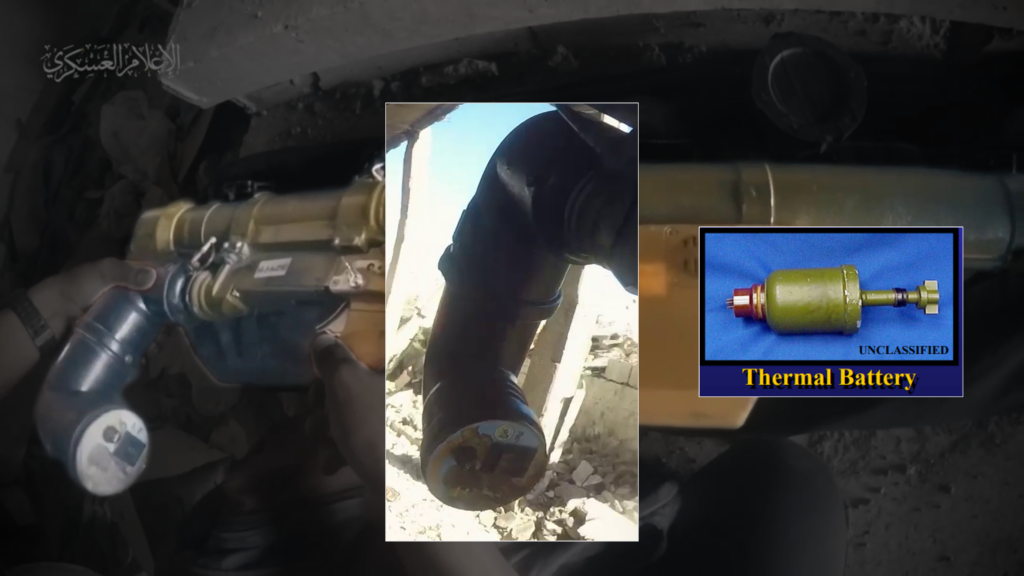
The Strela series, like many MANPADS including the Igla/Misagh series, uses a thermal battery to power the IR seeker. Thermal batteries, also called molten-salt batteries, provide the power for the missile and its seeker, and are preferred for systems like MANPADS due to their durability and long shelf life. For example, the U.S. government claimed the life of the Stinger thermal battery was about 10 years, though Eagle Pitcher, the company which made the Stinger thermal battery, claims their batteries can last for 20 years or more. The downside of thermal batteries is that they are typically one-and-done units. They can power the missile and seeker for a brief period, seconds or minutes, and after that they are depleted. A new SAM can be loaded into the same launcher, but a new battery has to be installed on the launcher for it to function. See this handy DIA diagram of the SA-7b to see how it all fits together:
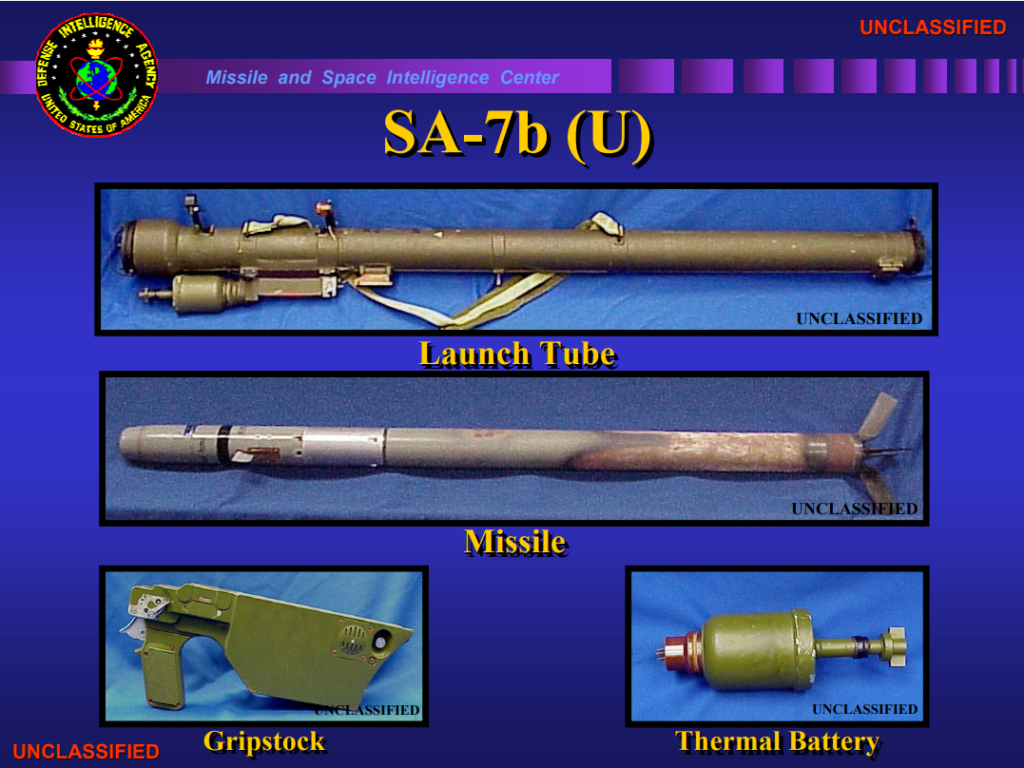
While the Houthis clearly have an ample supply of SA-7bs, are they able to maintain the launchers? Do they have enough thermal batteries to keep using the SA-7s they inherited from the regime or imported from elsewhere? The answer is yes and no. We see classic, original design thermal batteries on some of the SA-7s the Houthis paraded in 2022. So for some of them, the Houthis are able to rely on imports or seized supplies.
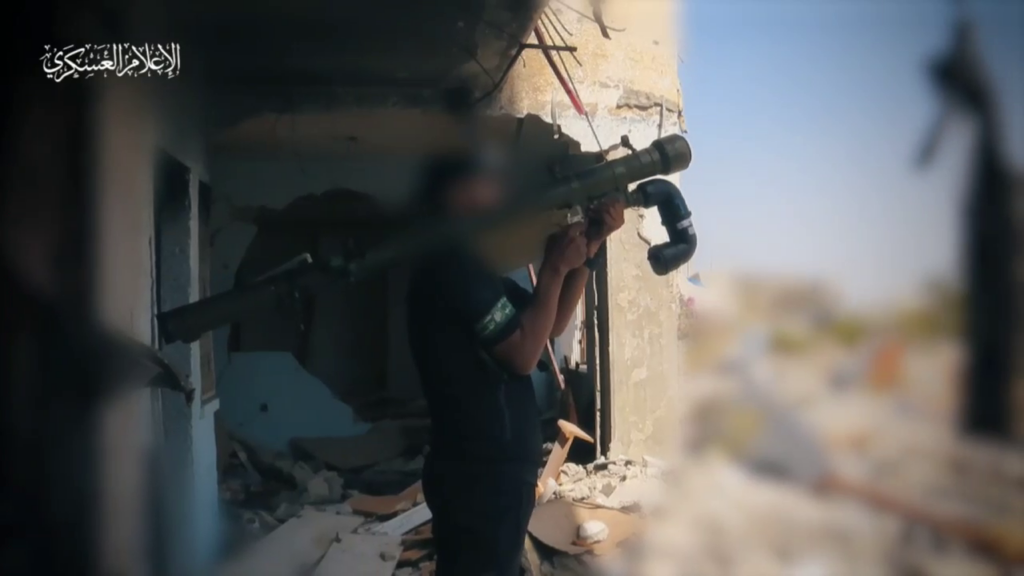
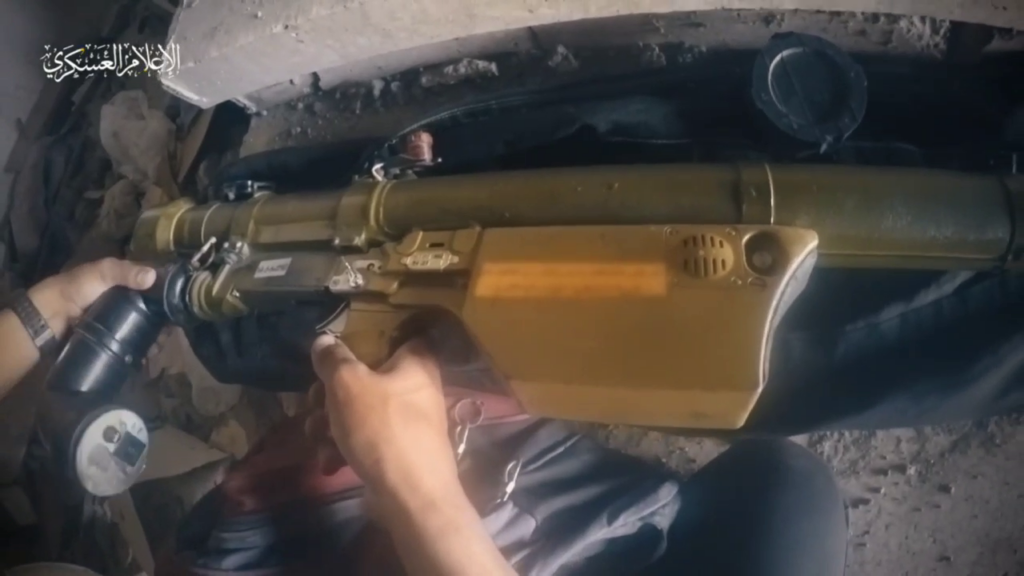
However the Houthis have released some videos of them shooting at helicopters using modified thermal batteries. These are clearly not factory issued pieces of equipment, as they are entirely unlike the classic SA-7 thermal batteries. Yet, as we see the same style of modified thermal battery across multiple launchers and videos, it seems likely the Houthis are mass producing thermal battery replacements for their Strela-2 launchers.
The Houthis would certainly not be the first to bootstrap their way to maintaining their MANPADS. This type of adaptation was common during the Syrian Civil War. There is a great New York Times piece from 2014 on how some Syrian rebels were making their own replacements for thermal batteries by scrounging parts from laptops, radios, refrigerators, and the wiring in their neighbors homes, then soldering them into a battery on the stove. Some Facebook posts also provided examples of modified thermal batteries from the Syrian battlefield.

It’s worth quoting extensively from the NYT piece to see the ingenuity behind these components:
Working at his home in rural Idlib Province, he said, he assembled a unit with three groups of AA lithium-ion batteries salvaged from laptops, and managed to match the voltage for the factory-made sample. His total cost, he said, was about $50.
C. J. Chivers, “A Syrian Rebel Advance Off the Battlefield: A Longer-Lasting Battery for Missiles,” New York Times, July 25, 2014.
“It took me one day to finish it,” he said. “My wife helped me, and my kids were playing around me. It could take less time, but there is no electricity to turn the soldering iron on, so I used the stove.”
…
“My invention that brought life back to Cobras,” he said, was also made from “electrical wires taken from my neighbor Abu al-Abid” and “damaged plastic water pipes.” To this, he said, he added “electronic devices from a broken radio and a capacitor from an old fridge.”
The Syrian examples may be illustrative of the Houthis’ potential production capabilities. For the SA-7b they are able to produce replacement thermal batteries and maintain the systems themselves, perhaps by looting radios, fridges and old laptops. But, contrast that with the absence of modified thermal batteries for the Misagh/QW-1 MANPADs in Yemen (though if anyone has seen those, please let me know in the comments). Those more sophisticated SAMs use cooled infrared seekers and rely on bottles of liquid nitrogen to cool the sensitive sensor. As my colleague Seth Hosford recently pointed out, the Houthis are probably reliant on old or imported bottles of liquid nitrogen to cool the seekers in their converted Russian air-to-air missiles as producing liquid nitrogen is a rather difficult chemical process. I would suggest the same is true for the battery cooling units on the Houthis’ more sophisticated MANPADs like the Misagh series. This situation is demonstrative of the Houthi arsenal writ large. While they can sustain their more rudimentary systems through domestic production of equipment, they rely on imports from other countries, primarily Iran, for anything more sophisticated.
